
Urinary symptoms are common, but persistent changes should not automatically be accepted as a normal part of aging. A Urologist evaluates conditions affecting the kidneys, ureters, bladder, prostate, urethra, and male reproductive system, helping determine why symptoms are occurring and whether treatment is needed.
For people living in Thane West, Maharashtra, knowing when specialist evaluation is appropriate can prevent prolonged self-treatment and delays in diagnosing an underlying urinary condition.
Symptoms That Deserve Attention
A single mild symptom may have a simple explanation. Recurrent or persistent symptoms, however, can require further investigation.
Reasons for seeking a urological assessment may include:
- Difficulty starting urination
- Weak or interrupted urine stream
- Frequent urination
- Repeated nighttime urination
- Urinary urgency
- Pain or burning while passing urine
- Blood in the urine
- Recurrent urinary infections
- Kidney or ureteric stones
- Testicular pain or swelling
- Difficulty emptying the bladder
Men may also consult a specialist for prostate problems, erectile concerns, male infertility, or other andrological conditions.
What Happens During an Assessment
A consultation usually begins with the patient's symptoms and medical history. The doctor may ask when symptoms began, whether they are getting worse, medications being taken, previous urinary problems, and relevant medical conditions.
Physical examination may be followed by investigations such as urine analysis, blood tests, ultrasound, uroflowmetry, CT imaging, or other tests depending on the suspected condition.
Not every patient needs every investigation.
Procedures Are Recommended According to the Diagnosis
Some urological conditions can be managed with observation, lifestyle measures, or medicines. Others may require an endoscopic, minimally invasive, laparoscopic, laser, or surgical procedure.
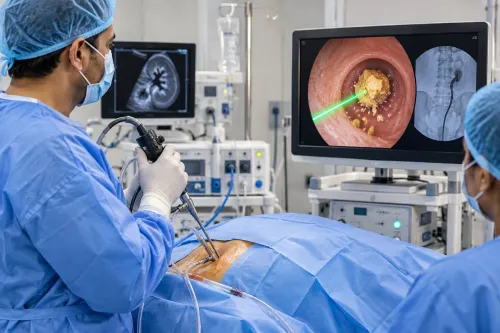
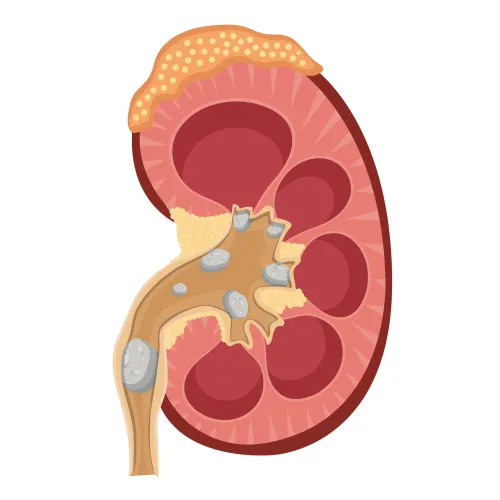
For example, urinary stones may require endoscopic stone removal when they do not pass naturally. Enlarged prostate symptoms may initially be managed medically, while significant obstruction may lead to consideration of procedures such as TURP or another suitable intervention.
This is why diagnosis should come before deciding on a procedure.
Recovery Varies Considerably
There is no universal recovery period for urological treatment. A diagnostic consultation has no procedural recovery, while endoscopic treatments may involve a short period of urinary discomfort. More extensive operations naturally require longer healing and follow-up.
Patients should understand expected activity restrictions, catheter or stent requirements, medication instructions, and warning signs before leaving after a procedure.
Understanding Benefits and Risks
Early assessment can identify treatable causes of urinary symptoms and help prevent complications such as persistent obstruction, repeated infection, or kidney damage in certain conditions.
At the same time, investigations and procedures should be selected appropriately. Depending on the intervention, risks may include bleeding, infection, urinary retention, injury to urinary structures, temporary discomfort, or need for further treatment.
Frequently Asked Questions
Should blood in urine always be checked?
Visible blood in urine warrants medical evaluation because there are many possible causes, ranging from stones and infection to more significant urinary tract conditions.
Can prostate problems affect younger men?
Different prostate conditions can occur at different ages. Symptoms should be assessed rather than attributed to age alone.
Do urinary symptoms always require surgery?
No. Many conditions can be managed without surgery.
At Dr. Vivek Jadhav Laser Stone and Urology Clinic in Thane West, assessment is focused on establishing the cause of urinary symptoms before an individualized treatment plan is considered.
Keywords