
Burning, urgency, and frequent urination can come from a bladder infection, but they can also signal a stone, prostatitis, vaginal irritation, or an STI. By the end, you will know which warning signs need emergency or same-day care, which urine tests matter, and what information helps a clinician choose safe treatment.
Key takeaways
- Burning urination does not prove a bacterial UTI.
- Seek emergency care for fever, flank pain, vomiting, confusion, or inability to urinate.
- Urinalysis and urine culture help identify infection and guide antibiotic choice.
- Drink fluids while awaiting advice, but do not self-start leftover antibiotics.
Is the burning caused by a UTI or something else?
Burning urination, urgency, frequency, and discomfort above the pubic bone fit cystitis, but they do not prove a bacterial UTI. The common burning urination causes also include vaginal or penile irritation, dehydration, medication effects, stones, prostatitis, and sexually transmitted infections.
Look for clues that change the next step:
- Vaginal discharge or itching points toward vaginitis or vaginal irritation; genital sores, a new sexual partner, or urethral discharge raise concern for STI symptoms. Arrange an examination with targeted STI or vaginal testing instead of taking automatic UTI antibiotics.
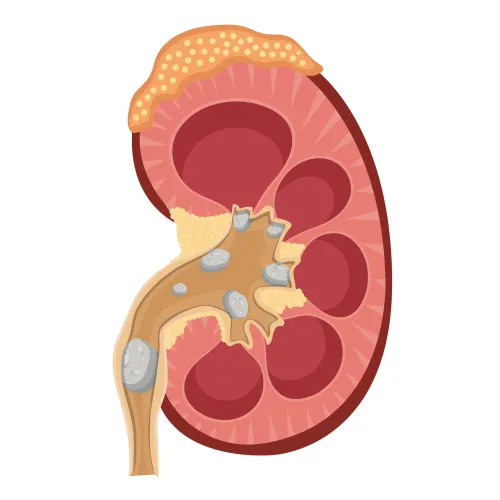
- One-sided, wave-like flank or abdominal pain with blood in the urine suggests a kidney stone. Bladder stones can cause burning, frequency, interrupted urine flow, or pain that worsens as the bladder fills.
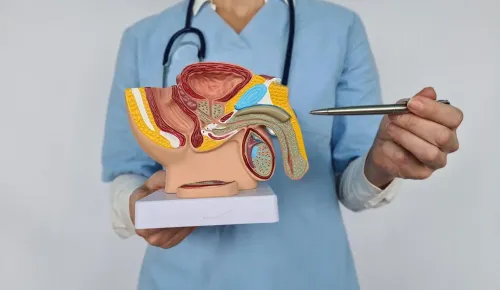
- Pelvic or perineal pain, fever, difficulty urinating, or painful ejaculation raises concern for prostatitis, especially in men.
- Dark, concentrated urine after inadequate fluid intake can sting without infection. Some medicines also irritate the urinary tract.
Cloudy or foul-smelling urine alone does not justify antibiotics. Older adults commonly have bacteria in urine without illness; treat only when urinary or systemic symptoms support infection, not for odor, cloudiness, or confusion alone. If symptoms persist, recur, or include blood, obtain medical assessment rather than repeating an old prescription.
Which urinary symptoms need same-day or emergency care?
Burning, urgency, frequency, and pressure above the pubic bone usually point to the lower urinary tract. Fever, chills, flank or back pain, nausea, vomiting, or feeling systemically ill are kidney infection symptoms and need faster assessment.
| Pattern | What it suggests | What to do |
|---|---|---|
| Lower-tract symptoms | Cystitis or another bladder/urethral cause | Arrange testing and treatment |
| Fever, chills, flank pain, nausea, or vomiting | Pyelonephritis, or kidney infection | Seek same-day urinary infection care |
| Severe one-sided pain, blood, reduced urine, or infection with a suspected stone | Infected obstruction of a kidney or ureter | Get urgent urologic attention |
| Painful inability to pass urine with lower-abdominal swelling | Urinary retention emergency | Go to an emergency department |
Seek same-day care for fever, flank pain, visible blood in urine, inability to urinate, pregnancy, symptoms in a child, or symptoms that worsen after treatment begins. A stone can cause burning, urgency, and visible blood, so these findings do not prove infection.
Call emergency services for UTI sepsis warning signs such as confusion, fainting, severe weakness, rapid breathing, persistent vomiting, or collapse. An infected blocked kidney cannot drain properly and needs urgent drainage as well as antimicrobial treatment.
Men with fever, pelvic or perineal pain, or difficulty urinating need prompt evaluation for acute prostatitis. Delaying care can allow infection to spread and can make urinary obstruction harder to manage.
Which urine tests confirm the cause?
A urine routine examination and urine microscopy help identify inflammation, blood, bacteria, or crystals, but they do not always prove a bacterial infection. A urine dipstick is a screening aid: nitrite and leukocyte esterase can support UTI, while a negative result does not exclude infection, especially with strong symptoms or dilute urine.
| Test | What it shows | Key limitation or use |
|---|---|---|
| Urine routine examination | Chemical findings such as blood, protein, nitrite, and leukocyte esterase | Screens for infection and other urinary abnormalities |
| Urine microscopy | White cells, red cells, bacteria, and crystals | Supports infection but cannot identify the exact organism |
| Urine culture and sensitivity | Grows bacteria and reports which medicines are likely to work | Especially important for men, pregnancy, recurrent or severe symptoms, suspected kidney infection, atypical symptoms, or treatment failure |
For a midstream clean-catch urine sample, clean the genital area, begin urinating into the toilet, collect the middle portion in a sterile container, and deliver it according to the laboratory’s instructions. Antibiotics taken before collection can suppress bacterial growth and produce a misleading culture.
Men with urinary symptoms generally need clinical evaluation and culture because infection can involve the prostate.
Take these details to the appointment:
- Symptom start date, measured fever, previous infections, pregnancy status, allergies, kidney disease, diabetes, recent antibiotics, and current medicines
A culture is particularly important when fever, flank pain, nausea, or vomiting suggests kidney infection, because treatment needs adjustment to the organism and its susceptibility results. If discharge, genital sores, or vaginal irritation is present, ask about targeted STI or vaginal testing rather than relying on UTI tests alone.
Why treatment depends on the infection type
The same burning symptom can lead to different treatment plans because the infection’s location, severity, and cause change what is safe and effective.
| Category | What changes the decision | Typical assessment |
|---|---|---|
| Uncomplicated cystitis | Uncomplicated cystitis treatment may use a short, targeted course after clinical review; culture is added when symptoms are atypical or treatment fails. | Urine testing, with no evidence of kidney involvement or obstruction |
| Recurrent infection | Recurrent symptoms need documented cultures, not automatic repeat prescriptions. | Check for at least two episodes in six months or three in one year, then assess for stones, obstruction, bladder pain syndrome, overactive bladder, vaginal disease, or STI |
| Complicated UTI | The medicine, route, duration, and follow-up depend on pregnancy, male anatomy, kidney disease, diabetes, resistant bacteria, or an abnormal urinary tract. | Culture and closer review; imaging when obstruction, stone, or another structural problem is suspected |
| Kidney infection | Fever, flank pain, vomiting, or systemic illness can require a different medicine, longer treatment, or hospital care. | Culture and assessment for kidney involvement |
| Prostatitis | Prostatitis treatment decisions account for prostate penetration and often differ from bladder-infection treatment. | Culture; urgent review for fever, pelvic pain, perineal pain, or difficulty urinating |
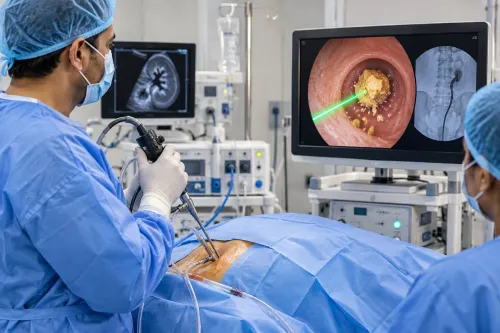
| Infected urinary stone or obstruction | Antibiotics alone cannot reliably clear infection behind blocked urine flow; urgent drainage may be necessary. | Imaging and urologic assessment |
Do not use leftover or shared antibiotics, stop when burning improves, or choose a medicine without checking allergies, pregnancy, kidney function, interactions, and resistance. Urinary alkalising products can ease discomfort for some people but do not clear infection or prevent kidney involvement.
When a stone or blocked flow is possible, Dr. Vivek Jadhav Laser Stone and Urology Clinic can assess the urologic cause alongside infection care.
What can you do while waiting for medical advice?
Arrange urine testing rather than relying on UTI symptom relief while waiting. Drink your normal amount of fluid; forcing excessive water will not clear an infection and can worsen nausea. If you are pregnant, contact a clinician instead of self-treating.
- Record your temperature with the time, and note changes in pain, urgency, visible blood, or urine output. Inability to pass urine needs urgent care.
- Check any over-the-counter product with a pharmacist or clinician if you have kidney disease, pregnancy, allergies, or take other medicines. Phenazopyridine can reduce burning but cannot treat infection, can turn urine orange-red, and its label limits self-use to two days when taken with an antibacterial. Do not let temporary relief delay testing.
- Ask when improvement should begin, then contact the clinician if symptoms miss that timeframe, worsen after treatment starts, or return soon after treatment. Repeated episodes need documented cultures because automatic antibiotics drive antibiotic resistance and can miss stones, obstruction, or another cause.
- Complete the prescribed course and review the culture and antibiotic-sensitivity results when ordered. Seek reassessment rather than repeating an old prescription.
- Arrange repeat urinalysis after the suspected infection clears if you have persistent blood in urine. Ongoing bleeding can reflect stones, tumours, or another source rather than recurrent infection. This is essential UTI follow-up, even when burning has stopped.
Frequently asked questions
How can you tell whether burning urination is a UTI or something else?
Burning, urgency, frequency, and discomfort above the pubic bone fit cystitis, but irritation, dehydration, medicines, stones, prostatitis, and sexually transmitted infections can cause similar symptoms. A clinician uses your history, examination, and urine testing to identify the cause.
Which urinary symptoms need same-day or emergency care?
Seek same-day medical advice for worsening symptoms, pregnancy, symptoms in a man, recurrent infections, or symptoms in a child. Seek emergency care for fever with chills, flank or back pain, vomiting, confusion, severe weakness, or inability to urinate.
Which urine tests confirm the cause of burning urination?
A urinalysis checks urine for white blood cells, red blood cells, nitrites, and bacteria. A urine culture identifies the growing organism and tests antibiotic susceptibility. Additional tests may be needed for stones, prostatitis, or sexually transmitted infections.
Why does urinary infection treatment depend on the infection type?
Treatment depends on the infection location, the organism, antibiotic susceptibility, symptoms, sex, pregnancy, kidney function, and complications. Bladder infection, kidney infection, prostatitis, and sexually transmitted infections do not use the same treatment plan.
What can you do while waiting for medical advice?
Drink water according to your usual medical restrictions, avoid bladder irritants such as alcohol and excess caffeine, and do not use leftover antibiotics. Arrange testing promptly if symptoms persist or worsen.