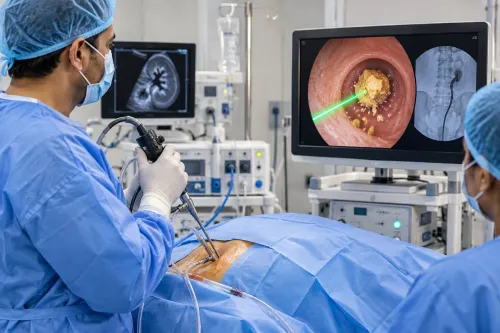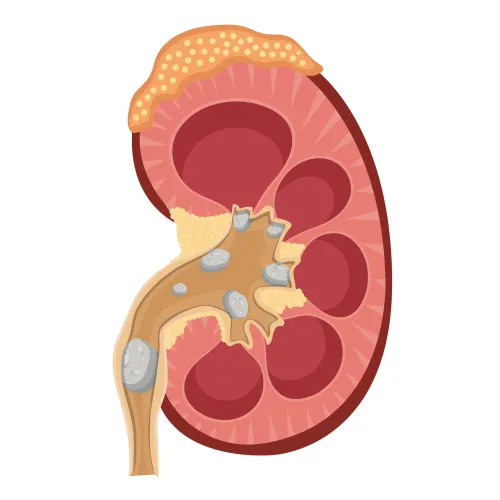

Scheduling your first urologist consultation can feel intimidating, especially if you're experiencing symptoms such as frequent urination, kidney stone pain, blood in the urine, or discomfort while passing urine. Many people delay seeing a specialist because they are unsure what the appointment involves or worry that surgery will be recommended immediately.
In reality, the first consultation is primarily about understanding your symptoms, identifying the underlying cause, and creating a personalised treatment plan. Whether your concern involves kidney stones, prostate enlargement, urinary infections, or bladder-related problems, an early consultation helps prevent complications and supports better long-term urinary health.
Why You May Need a Urologist Consultation
A urologist specialises in diagnosing and treating conditions affecting the kidneys, bladder, ureters, urethra, and the male reproductive system. While some urinary symptoms may appear minor at first, they can sometimes indicate conditions that require timely medical attention.
You should consider consulting a urologist if you experience:
- Persistent kidney stone pain
- Difficulty passing urine
- Blood in the urine
- Burning sensation while urinating
- Frequent urinary tract infections
- Urine leakage
- Weak urine stream
- Frequent nighttime urination
- Testicular pain
- Pain in the lower abdomen or flank
Early evaluation often leads to faster diagnosis and more effective treatment.
Preparing Before Your Appointment
A little preparation before your visit allows your doctor to better understand your condition and reduces the chances of unnecessary repeat investigations.
Before your consultation, it is helpful to carry:
- Previous ultrasound, CT scan, or MRI reports
- Blood and urine investigation reports
- A list of current medications
- Details of any allergies
- Previous surgery records
- Medical history related to diabetes, hypertension, or kidney disease
- Family history of kidney stones or prostate disorders
If your symptoms have changed over time, noting when they started and what makes them better or worse can also be useful during the discussion.
What Happens During the Consultation?
The consultation usually begins with a detailed conversation about your symptoms and medical history.
Your urologist may ask questions such as:
- When did the symptoms begin?
- Is the pain constant or intermittent?
- Have you noticed blood in your urine?
- How often do you urinate during the day and night?
- Have you had kidney stones before?
- Do you experience fever, nausea, or vomiting?
- Are there any existing medical conditions such as diabetes?
Providing clear and accurate answers helps the specialist narrow down the possible causes and recommend the right investigations.
Physical Examination
Depending on your symptoms, a physical examination may be performed.
This may include:
- Examination of the abdomen
- Assessment of the kidneys for tenderness
- Evaluation of the bladder
- Examination of the external genitalia when necessary
- Prostate examination for men with urinary symptoms suggestive of prostate enlargement
The examination is performed professionally and only when clinically required.
Diagnostic Tests You May Need
Not every patient requires extensive testing. Investigations are recommended based on individual symptoms and examination findings.
Common diagnostic tests include:
- Urine routine examination
- Urine culture
- Blood investigations
- Kidney function tests
- Ultrasound of the kidneys and bladder
- CT scan for suspected kidney stones
- Uroflowmetry to evaluate urine flow
- PSA testing in selected men
- Cystoscopy when detailed examination of the bladder is required
These tests help determine the exact cause of symptoms and support accurate treatment planning.
Discussing Your Treatment Options
One of the most valuable parts of the consultation is understanding your available treatment choices.
Depending on your diagnosis, treatment may involve:
- Lifestyle modifications
- Medication
- Dietary changes
- Observation with regular follow-up
- Endoscopic procedures
- Laser treatment
- Minimally invasive surgery when appropriate
A urologist will explain the advantages, possible risks, expected recovery, and whether immediate treatment is necessary.
Questions You Should Ask During the Consultation
Patients often leave appointments wishing they had asked more questions. Preparing a few in advance can help you better understand your condition.
Consider asking:
- What is causing my symptoms?
- Do I need additional investigations?
- Is my condition temporary or long-term?
- What treatment options are available?
- Are there lifestyle changes that may help?
- Will I require surgery?
- How often should I return for follow-up?
Open communication allows you to participate confidently in decisions regarding your healthcare.
Why Early Consultation Makes a Difference
Many urological conditions become more difficult to manage when treatment is delayed. Problems such as kidney stones, enlarged prostate, urinary infections, and bladder disorders may gradually worsen if ignored.
Early consultation offers several benefits:
- Faster diagnosis
- Better treatment outcomes
- Reduced risk of complications
- Improved kidney and bladder function
- Greater choice of treatment options
- Better long-term quality of life
Even if your symptoms seem mild, professional evaluation provides reassurance and helps identify any underlying condition before it progresses.
Patients looking for an experienced urologist in Thane West can benefit from a comprehensive assessment tailored to their symptoms and medical history. Dr. Vivek Jadhav Laser Stone and Urology Clinic offers thorough urologist consultations supported by modern diagnostic techniques and evidence-based treatment planning for kidney stones, prostate disorders, urinary tract conditions, and andrology-related concerns. Taking the first step toward specialist care can lead to earlier diagnosis, more effective treatment, and improved urinary health.
Keywords