
When urinary problems keep returning, treating each episode independently may not provide the complete answer. A Urology consultant looks for patterns that can explain why kidney stones, infections, urinary obstruction, or other symptoms are recurring and whether a correctable factor is involved.
Patients in Thane West, Maharashtra, who have experienced repeated stone episodes or ongoing urinary symptoms can benefit from bringing previous records together for a structured review.
Recurrent Kidney Stones Need More Than Pain Control
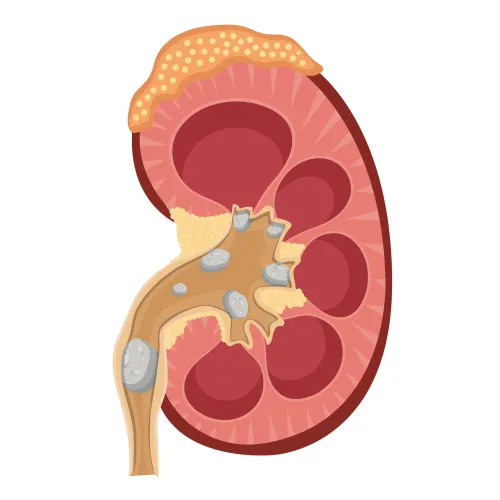
A second or third stone episode raises an important question about why stones continue to form.
Assessment can include the number and type of previous stones, dietary habits, fluid intake, family history, medications, medical conditions, and available stone analysis results.
Blood and urine investigations may be recommended for selected patients. The objective is to identify modifiable risk factors rather than relying only on general advice to drink more water.
Repeated Urinary Symptoms Need the Same Approach
Urinary frequency, poor stream, burning, recurrent infection, or blood in urine may have different causes.
A consultant may evaluate whether symptoms are associated with:
- Prostate enlargement
- Bladder emptying problems
- Kidney or ureteric stones
- Urinary tract narrowing
- Infection
- Bladder conditions
- Other urinary tract disorders
The investigations selected depend on the pattern of symptoms and the patient's risk profile.
When Imaging Becomes Important
Imaging can help answer questions that symptoms alone cannot.
Ultrasound can provide information about the kidneys and bladder and may identify urinary retention or certain stones. CT imaging offers more detailed evaluation in many stone-related situations.
Additional investigations such as uroflowmetry or cystoscopy may be considered when clinically appropriate.
Treatment Should Address the Identified Cause
The benefit of a structured assessment is that treatment can be directed at the underlying issue.
A recurrent obstructing stone may require stone removal and subsequent prevention planning. Significant prostate obstruction may require medication or a procedure. Repeated infections associated with poor bladder emptying may need both infection management and correction of the contributing urinary problem.
This approach avoids assuming that every recurrence has exactly the same cause.
Procedure Recovery and Risks
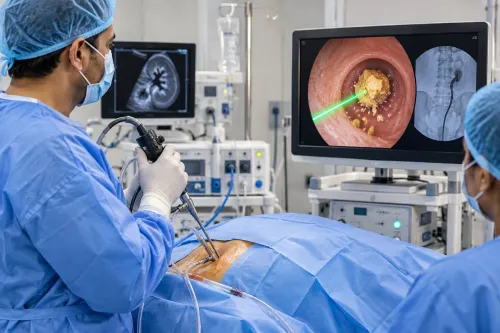
When intervention is required, recovery depends on the procedure. Endoscopic stone procedures may involve temporary urinary discomfort and sometimes a ureteric stent. Prostate procedures may require short-term catheterization and a gradual return to strenuous activity.
Potential risks vary but can include infection, bleeding, urinary tract injury, residual stones, temporary urinary difficulties, or need for further treatment.
Patients should receive procedure-specific information rather than relying on generalized recovery timelines.
Frequently Asked Questions
Should I keep an old stone analysis report?
Yes. Previous stone composition can provide useful information when planning prevention.
Do repeated infections always mean there is an anatomical problem?
No, but recurrence may justify investigating possible contributing factors.
Should previous scans be brought to the consultation?
Yes. Comparing current and previous findings can help establish how a condition has changed.
At Dr. Vivek Jadhav Laser Stone and Urology Clinic in Thane West, recurrent urological problems can be assessed as a connected history rather than as isolated episodes, helping treatment focus on both current symptoms and factors contributing to recurrence.
Keywords